Introduction
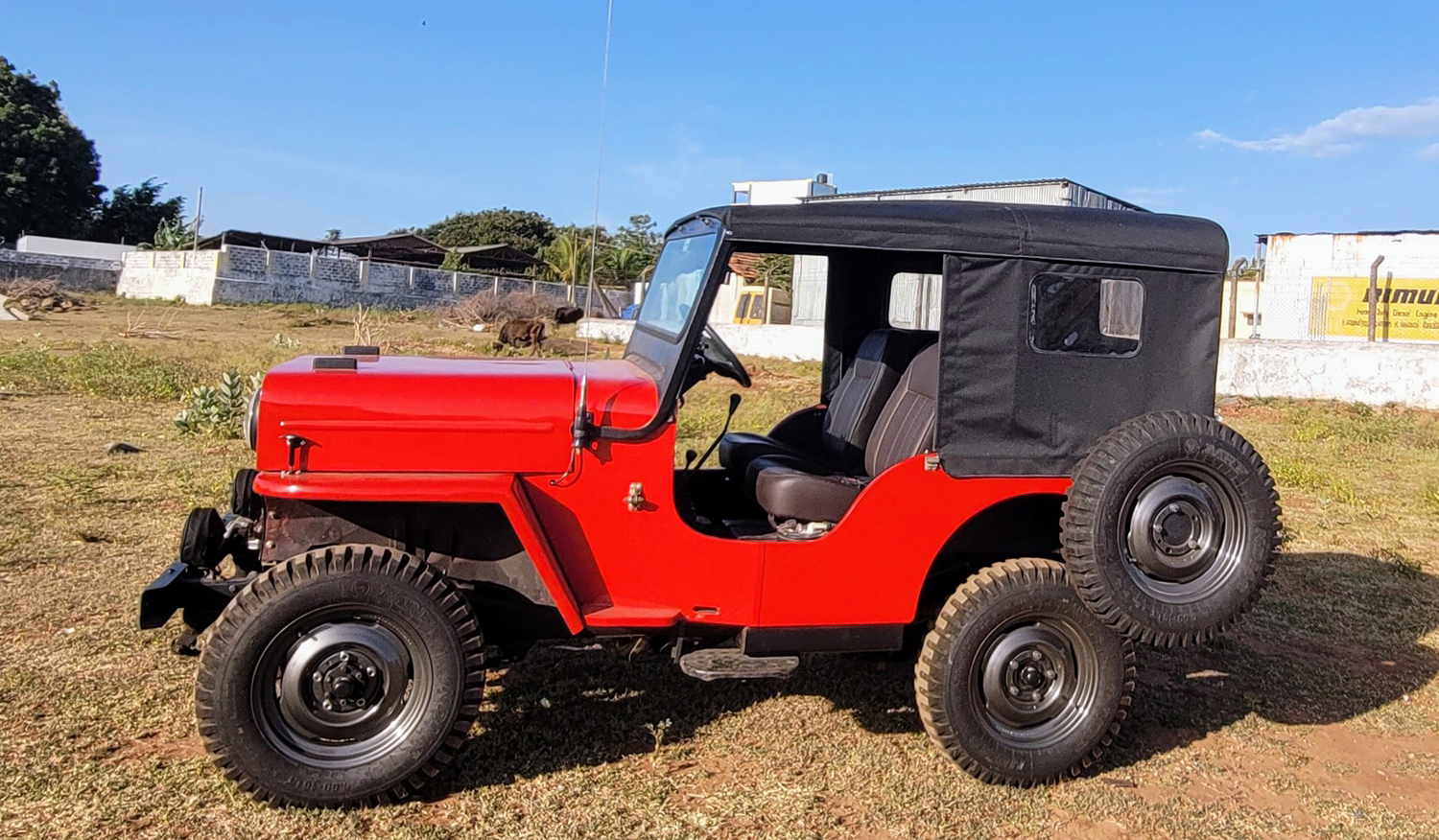
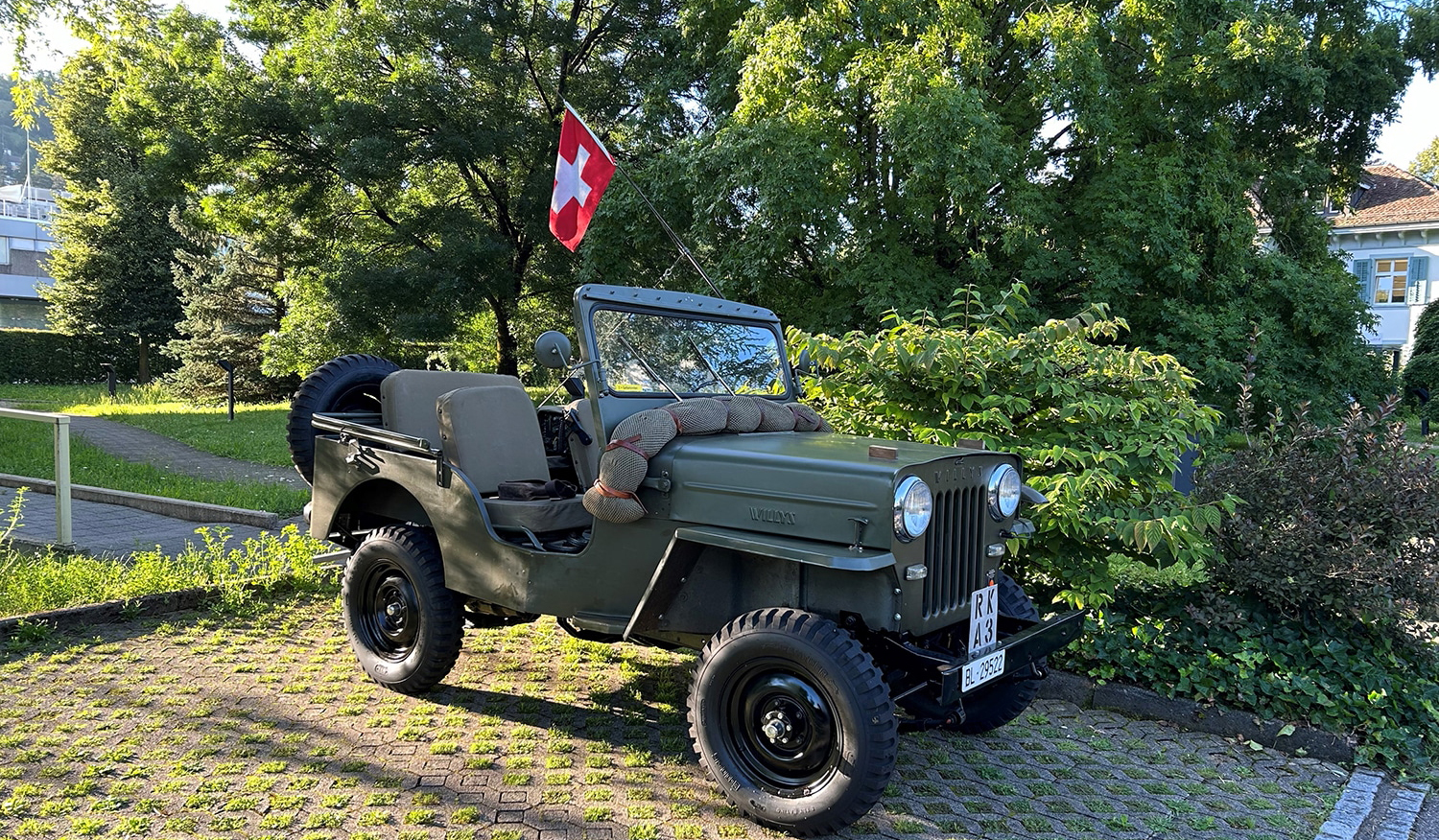
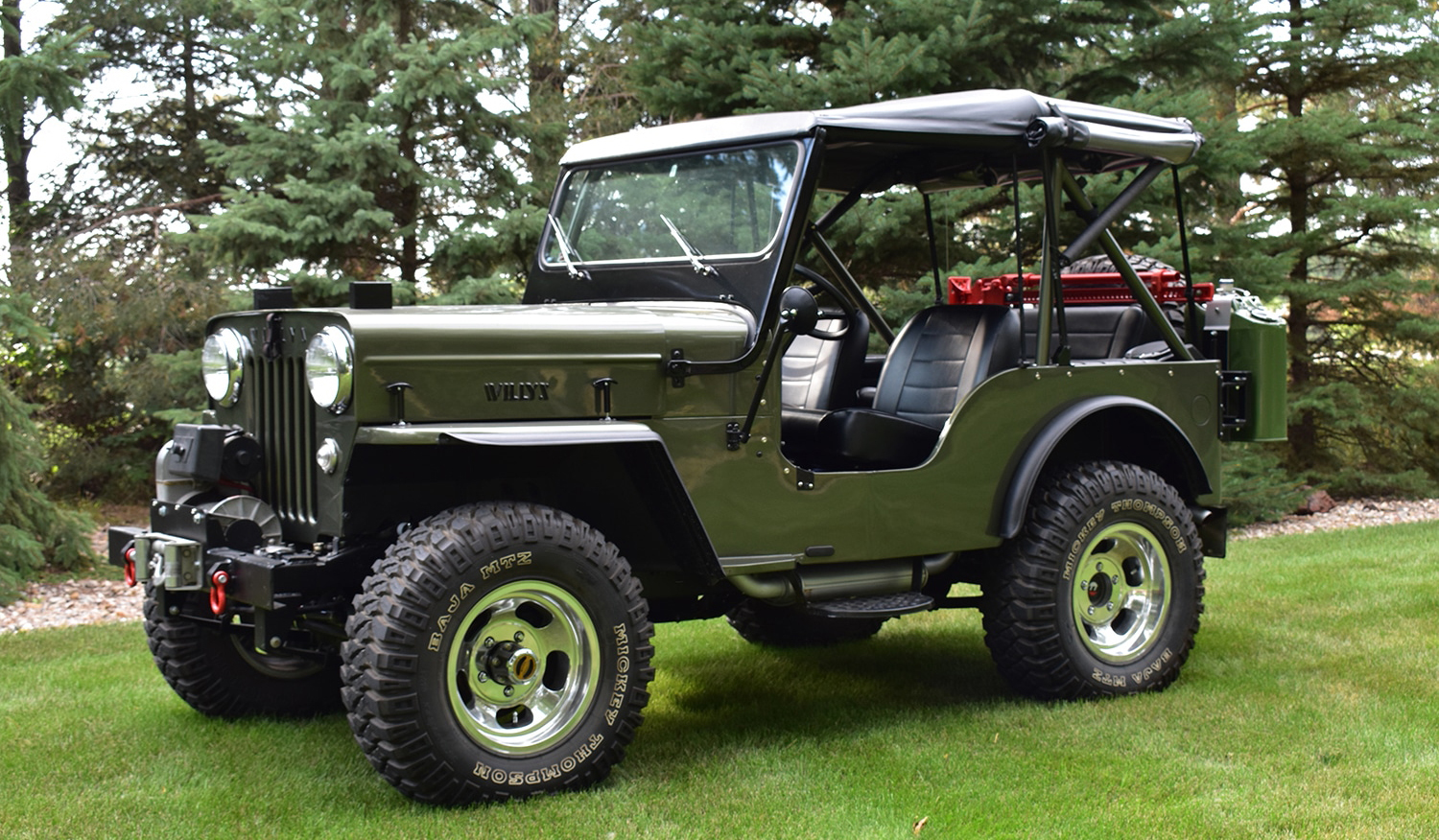
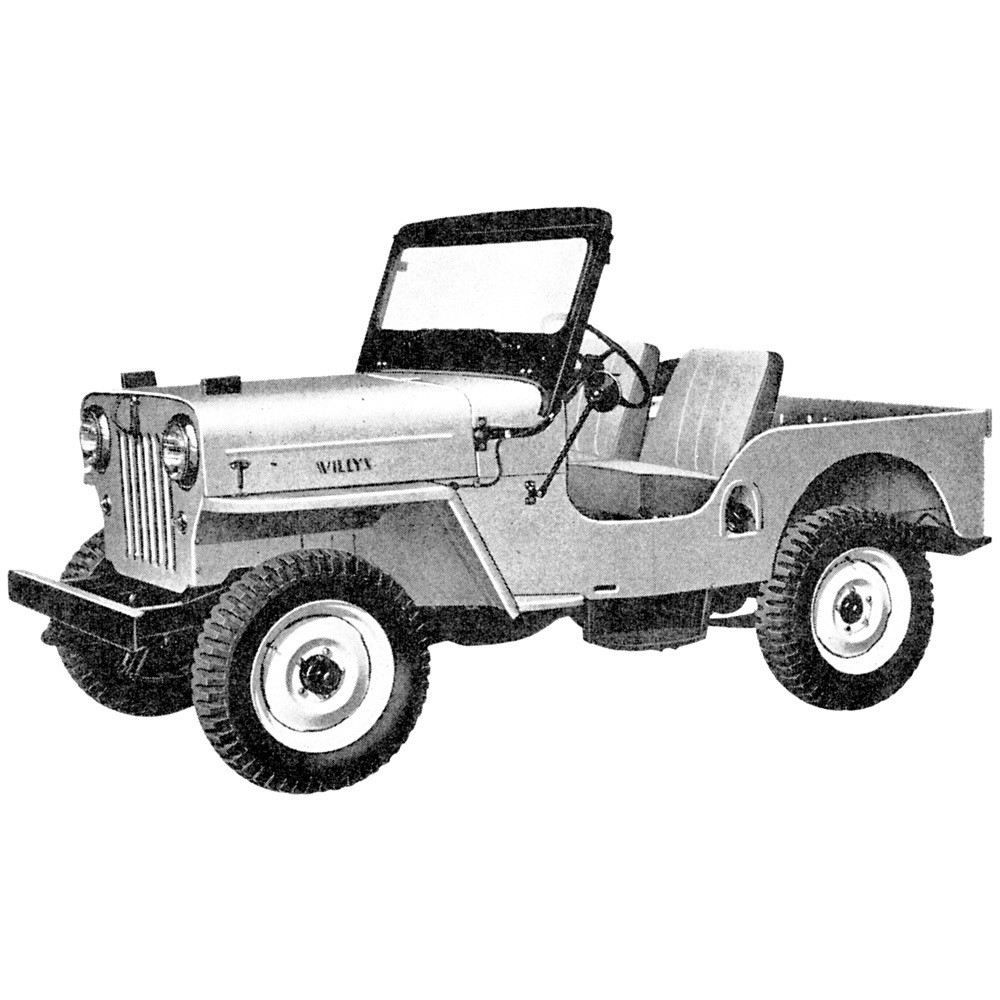
Produced from 1953 to 1964, the CJ-3B continued the Universal CJ lineage following the CJ-2A and CJ-3A, remaining targeted at agricultural and industrial applications. Its most significant departure from earlier models was the F-Head Hurricane engine, which delivered improved horsepower and fuel economy but required a taller hood — the feature that most visually distinguishes the CJ-3B from its flat-fender predecessors. The same year the CJ-3B launched, Willys-Overland was acquired by Kaiser-Frazer, who continued production under the Willys Motors name. With roughly 196,000 units built, the model remained available to commercial and military markets through 1968, and variants are still produced under license by India's Mahindra and Mahindra today.
Resources
- SPECS & IDENTIFICATIONS
- SERVICE STANDARDS
- TECH & TROUBLESHOOTING
Loading...
Willys CJ-3B History
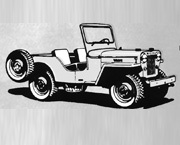 Willys CJ-3B
The Universal Jeep CJ-3B was first produced by Willys-Overland in 1953, following closely in the footsteps of its 1/4 ton predecessors, the CJ-2A and CJ-3A, civilian models mostly targeted to agricultural and industrial applications. With the close of WWII, Willys-Overland began to promote the CJs as civilian models that stretched beyond the scope of the militarized MB, pitched as "all-purpose" vehicles in ads of the time, first with the CJ-2A in 1945, followed by an updated but still very similar version (CJ-3A) from 1949 - 1953, and then with the more significantly modified CJ-3B from 1953-1964.
In the same year that the CJ-3B was introduced, Willys-Overland was sold to the Kaiser-Frazer Corporation, who adopted the Willys Motors name until 1964. The CJ-3B, a transitional model that narrowed the gap between the CJ and M38-A1, while similar in many ways to the 2A and 3A, had one major difference: the new F-Head Hurricane engine, which delivered more horsepower, but demanded a higher hood, a structural feature that also distinguished it from earlier CJs. The new Hurricane engine delivered a marked improvement in performance, with larger intake valves in the head and increased fuel economy. While historical information about CJ-3Bs seems more difficult to obtain than other CJs, they remain part of the flat-fender family even today, as some variants are still produced under license from Willys by India’s Mahindra and Mahindra.
Service Guides and Documents:
Gulf Service Sheet (1945-1964)- Document provided courtesy of Michael Scoggins
Jeep Dipstick Guide- Document provided courtesy of Michael Scoggins
(Read more about the Universal CJ Series - See CJ-5 History)