Introduction
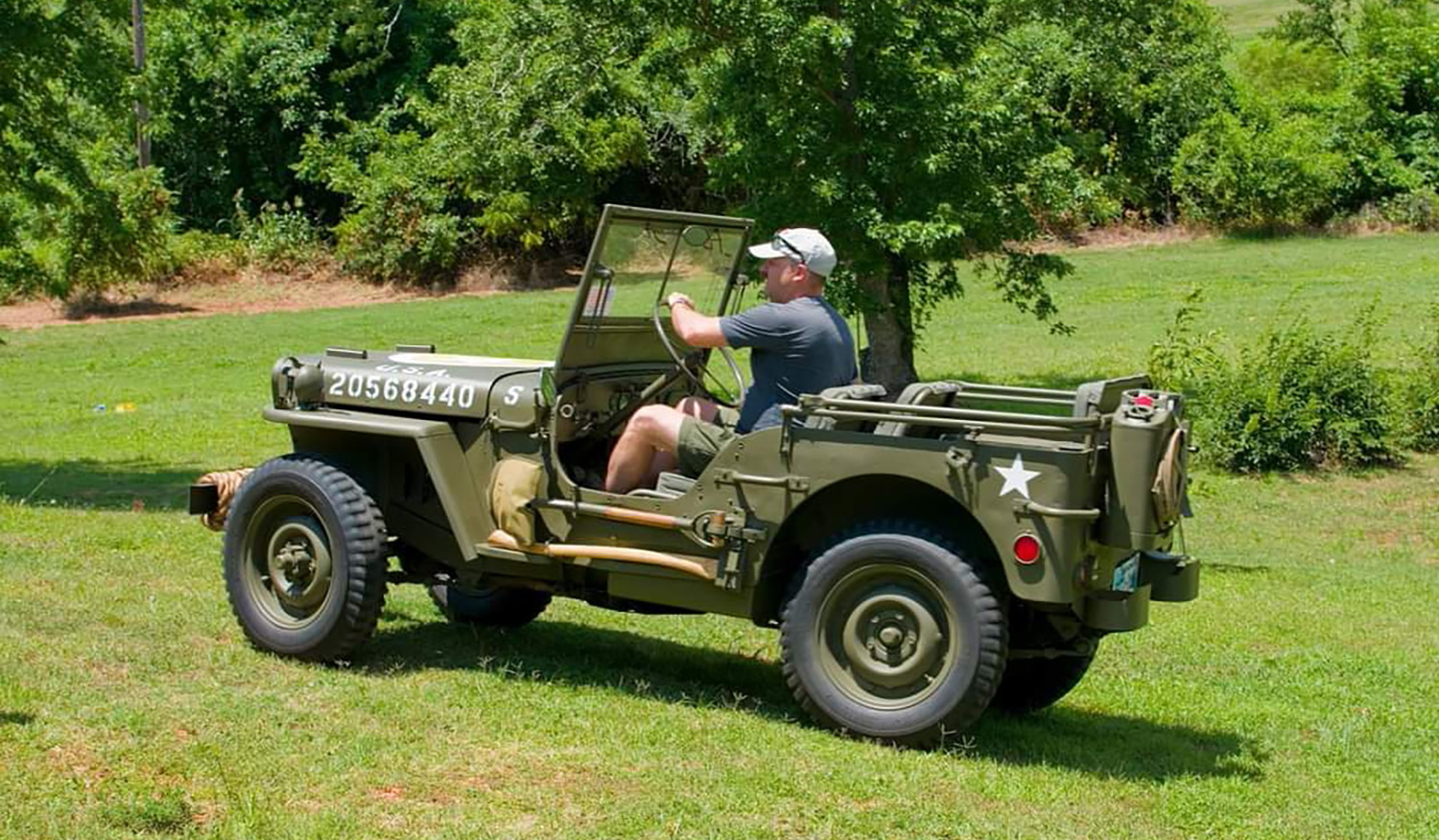
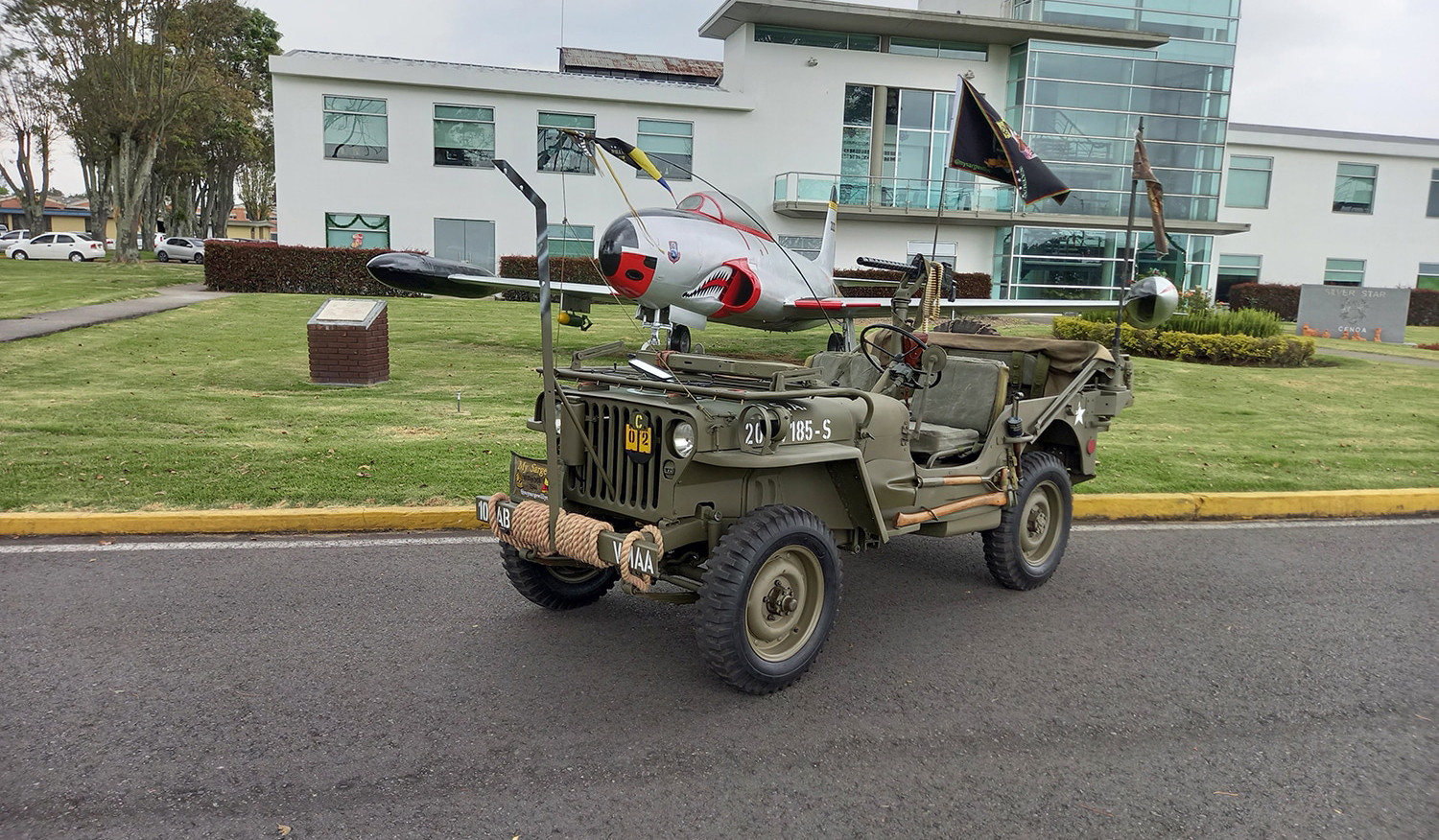
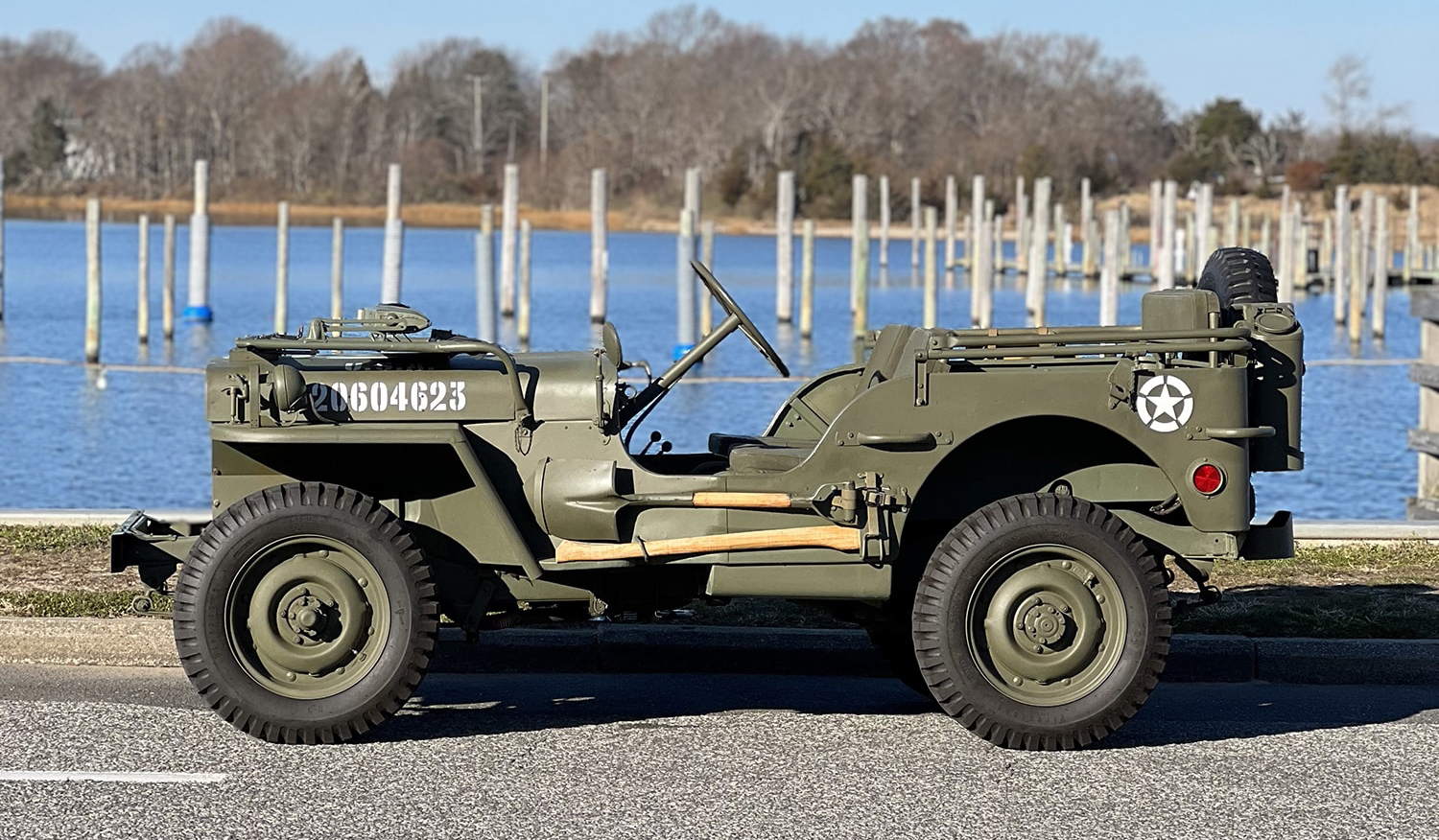
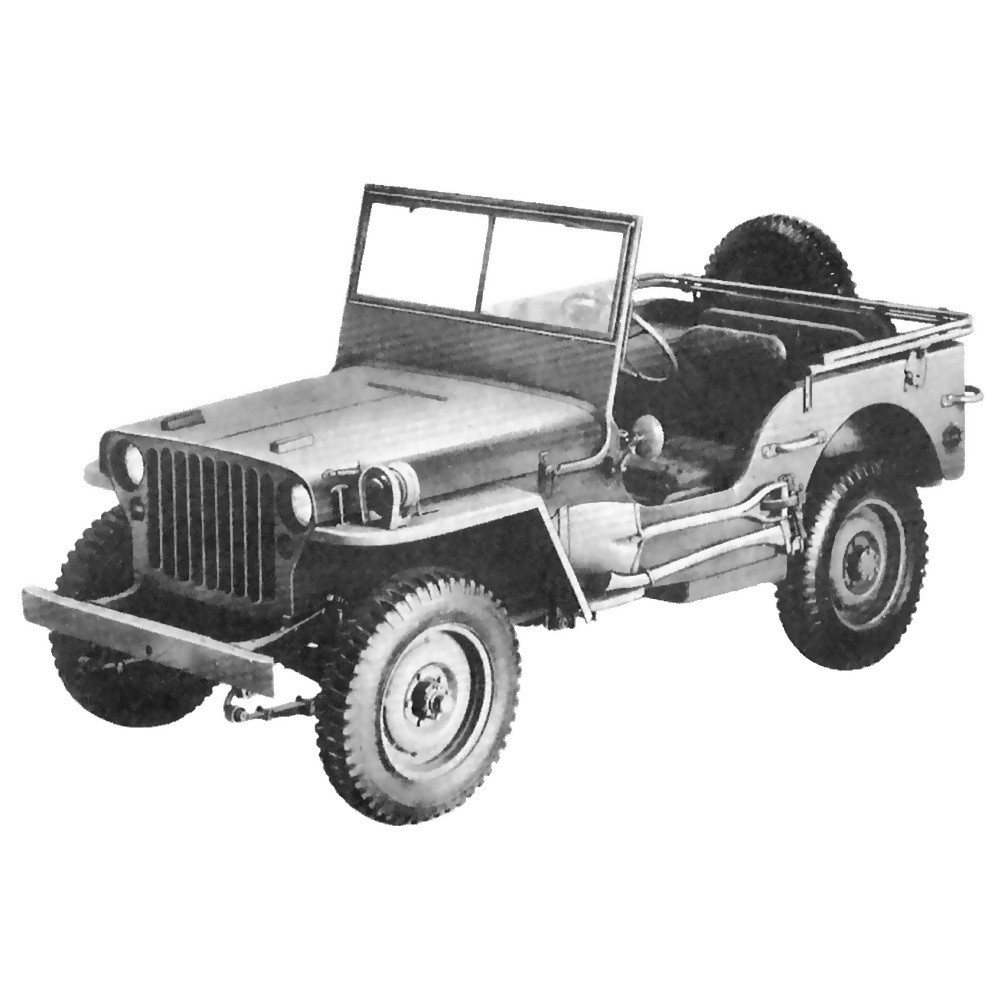
Produced from 1941 to 1945, the Willys MB is one of the first military vehicles mass-produced in the United States, with a total production run of 361,339 units. Selected by the War Department over competing designs from Ford and the American Bantam Car Company, the MB was chosen for its powerful "Go Devil" engine, competitive price, and Willys-Overland's production capability. Ford was later contracted to produce a licensed version, the GPW, to meet growing wartime demand. The MB and GPW shared standardized features that would go on to influence the design of the modern sport utility vehicle, including 6.00x16 tires, a fold-down windshield, a blackout light system, and twin top bows.
Resources
- SPECS & IDENTIFICATION
- SERVICE STANDARDS
- TECH & TROUBLESHOOTING
Loading...
Willys MB History
 Willys MB
One of the first military vehicles mass-produced in the United States, the Willys MB (and Ford GPW) US Army jeep is the culmination of war-time ingenuity, standardization and strategic personalization for transport of personnel and cargo. Soon to become the ubiquitous, "world-famous" jeep, the Willys MB and Ford GPW models were very effective on the ground, with many standardized features such as 6.00x16 tires, 60 honest horsepower at 4,000 rpm, a gasoline can bracket on the left rear, provisions for trailer lights, spark interference suppression, a blackout light system, twin top bows and sealed spring shackles.
Prior to the production of the MB/GPW, other attempts were made to satisfy the Army's need for a light utility vehicle including the first prototype presented by the American Bantam Car Company. Nicknamed the "Blitz Buggy", this vehicle concept which was the first bid accepted by the Army, as it satisfied the Army’s Ordnance Technical Committee specifications that the vehicle have: four-wheel drive, a crew of three on a wheelbase of no more than 75 inches and tracks no more than 47 inches, a fold-down windshield, a 660 lb payload, and an engine capable of 85 ft lb. (115 N m) of torque, along with an empty weight of no more than 1,300 lbs (590 kg). While the “Blitz Buggy” did satisfy these requirements, Bantam was not able to deliver with the fiscal strength or production capability needed to win the contract with the War Department. As as result, Ford and Willys were asked to product their own pilot models for testing, the results of which would determine the contract.
The original pilot models were submitted and named accordingly. The Willys Quad by Willys Overland, the Ford Pygmy by Ford and the BRC 60 by Bantam were accepted and orders were given for 1,500 units per company, with a revised weight limit of 2,160 pounds. During these pre-production runs, each vehicle was re-named. The Willys Quad became the “MA”, the Ford Pygmy became the “GP”, and the “BRC 60” became the “BRC 40”. By July of 1941, the War Department, needing standardization, selected Willys-Overland to fulfill its contract, on account of the MA’s powerful engine, silhouette, low bid ($748.74/unit), and because of the company’s ability to fulfill production needs, ordering another 16,000 vehicles.
Absorbing some of the design features of the Bantam and Ford entries, the Willys “MA” was then renamed the Willys “MB”, and featured the powerful “Go Devil” engine and a welded flat iron “slat” radiator grille (which was later replaced by a stamped grille in March of 1942). By October 1941, due to an increased demand for production, Ford was contracted to assist Willys-Overland and changed their model’s name from “GP to “GPW”, with the "W" referring to the "Willys" licensed design. During World War II, Ford produced some 280,000 of these vehicles.
Earlier and Later Versions:
The MA and early MBs had the “Willys” name stamped into the left rear panel; however, in the spring of 1942, the War Dept. decided not to feature the logo and removed them. Early MBs had a wiper for each side of the windshield, which were hand operated in contrast to later configurations. The windshields also varied slightly. The first 3,500 produced used an MA-type frame, which had a shorter distance between the cowl and the glass frames (4 inches). The later models had a 6 inch measurement, and were noticeably taller. In the earlier model MBs, the gas tank still had rectangular lower corners, as opposed to later versions.
While earlier black-out lamps for the MB were used as aids to see other vehicles in the convoy, later MBs feature a large blackout headlamp mounted on the left front fender that was used to help the driver see where he was going. The headlamps on all WWII Ford GPW and Willys MB Jeeps hinged up so they could illuminate the engine compartment in dark times. In 1942 the MB jeeps got combat wheels, replacing the original stamped and welded version. Combat wheels were heavier and bolted together to facilitate field repair, and also had the ability to transport the vehicle for a distance with deflated tires. All jeeps had brackets for their pioneer tools mounted on the left side below the entryway.
Rounded rear corners were found on the bodies of all the production Jeeps, both Ford’s GPW and Willys’ MB models. All models also featured larger bumperettes, exterior handles for manual extrication from sticky terrain, and two top bows to raise the height of the canvas and keep it from pounding the heads of the front seat occupants. The instrument panels began to look more militarized on the MB and GPW. Instruments were separate (oil pressure, fuel level, ammeter, water temperature, speedometer) had black faces, and were externally illuminated. The in-out lever for the front differential, and the transfer case lever, were on the right side of the transmission lever, as those components had migrated from the left side on the Bantams to the right side on the production models.
MB/GPW Data Sheet - Document provided courtesy of Michael Scoggins
Gulf Service Sheet (1945-1964) - Document provided courtesy of Michael Scoggins
Jeep Dipstick Guide - Document provided courtesy of Michael Scoggins
(See also Ford GPW History)